Biosystematics Laboratory/Herbarium
1- Introduction
The Biosystematics Laboratory is a scientific structure specialized in the study of biological diversity, the classification of living organisms, and their evolutionary relationships. It plays an essential role in the identification, characterization, and conservation of animal and plant biodiversity.
Biosystematics is based on a multidisciplinary approach that integrates morphological, anatomical, cytological, and molecular methods in order to understand the organization, variability, and evolution of species.
2- Objectives of the Laboratory
The Biosystematics Laboratory aims to achieve several scientific objectives, including:
- Identification and classification of animal and plant species.
- Conservation of local biodiversity through the establishment of databases and biological sample collections.
- Documentation of rare, endemic, or threatened plant species.
- Study of biological diversity and intra- and interspecific variability.
- Contribution to the inventory of local and regional biodiversity.
- Development of morphological and microscopic analysis methods.
- Biological control using essential oils.
- Protein extraction from insects.
- Germination test.
3- Scientific Activities of the Laboratory
The laboratory’s activities focus on several research areas:
- Morphological and Anatomical Studies: Observation of the external and internal structures of organisms using optical microscopes.
- Taxonomic Analysis: Identification and classification of species based on morphological and genetic criteria.
- Preparation of Biological Samples : Preparation of histological sections using a microtome, staining of tissues, and preparation of microscopic slides.
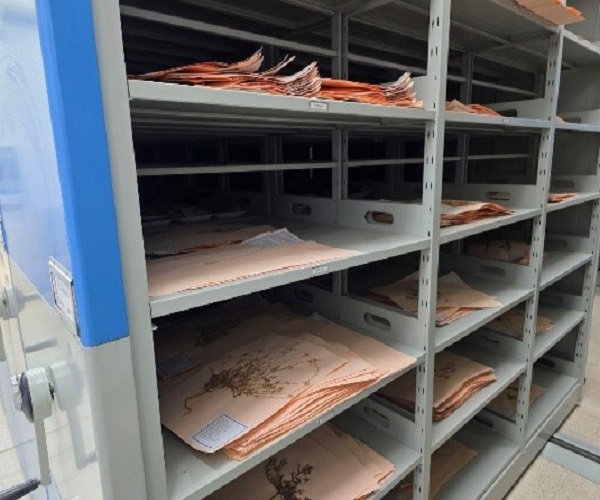
- Establishment of Biological Collections : Creation of plant herbaria and zoological collections for scientific study and conservation.
- Extraction of proteins from insects.
- Phylogenetic analysis to understand the evolutionary relationships between species.
- Contribution to plant taxonomy in arid regions.
4- Laboratory Equipment
The laboratory is generally equipped with several essential scientific instruments, including:
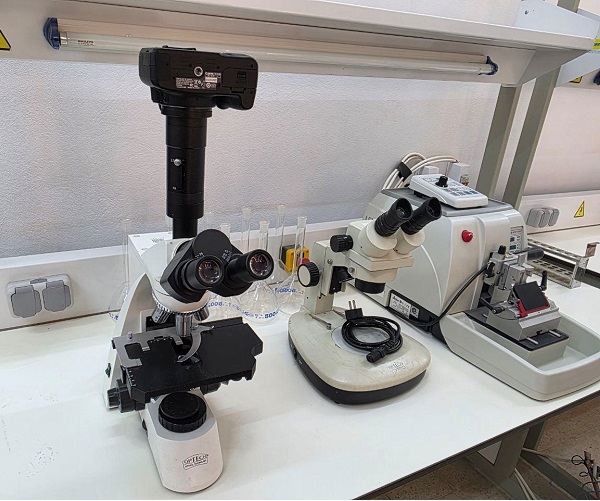
- Optical microscope
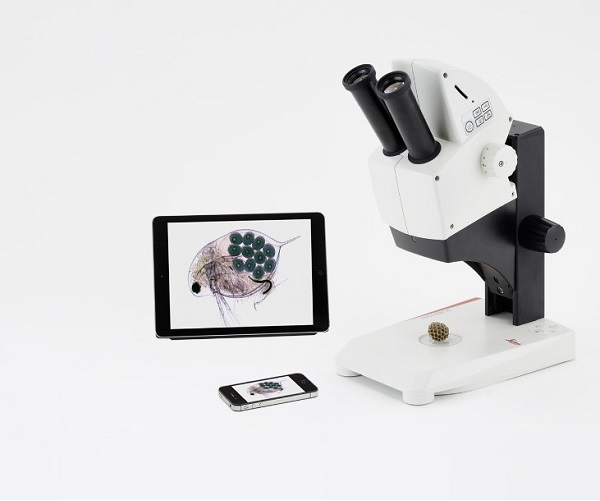
- Binocular magnifying loupe (OPTECH)
- Microtome for tissue sectioning – Leica RM2255
- Dissection instruments
- POLYMIX grinder (POLYMIX)
- Biological sample preservation devices
- Binocular loupe with integrated camera (OPTECH)
- Balance
- Oven – Memmert
- Analytical balance – KERN
- Shaker – SELECTA



5- Scientific Importance of the Laboratory
The Biosystematics Laboratory contributes to scientific research in several important fields:
- Biological taxonomy and classification
- Ecology and ecosystem studies
- Biodiversity conservation
- Education and training of students in biological sciences
6- Conclusion
EIn conclusion, the Biosystematics Laboratory represents a fundamental tool for studying biological diversity. Through observation and scientific analysis techniques, it enables a better understanding of the structure, classification, and evolution of living organisms, while also contributing to the preservation and valorization of biodiversity.